The Master of Business Administration began as a way to share the new management thinking of the industrial age. More than a century on, it remains the best-known postgraduate business degree in the world. In Australia, the MBA has changed a lot from the formal, campus-only program of a few decades ago. Today you can study full-time or part-time, online or on campus, in intensive weekend blocks or in a cohort of senior executives, and you can specialise in anything from finance to health management.
That flexibility is good news, but it also makes choosing harder. Programs that share the same three letters can differ widely in cost, entry rules, teaching style, class profile and reputation. This guide helps you work through those differences in a sensible order.
What an Australian MBA is
In Australia, a masters degree sits at Level 9 of the Australian Qualifications Framework (AQF), the national system that defines every qualification from certificates to doctorates. An MBA is a masters by coursework. It typically covers a core of accounting, finance, economics, marketing, strategy, operations, people management and leadership, followed by electives or a specialisation and often a capstone project or consulting assignment.
Below the full MBA, most schools offer a Graduate Certificate (AQF Level 8) and a Graduate Diploma (also Level 8). These shorter awards often use the same units as the MBA. If you complete one, you can frequently carry its credit into the full degree. That "nested" structure is one of the most useful features of Australian business education, because it lets you start small and keep going if the study suits you.
The main formats
There is no single best format. The right one depends on your experience, your job and your goals.
| Format | Typical study pattern | Usually suits |
|---|---|---|
| Full-time MBA | Intensive, on campus, around 1–2 years | Career changers who can step away from work |
| Part-time MBA | Evenings, weekends or blended, over 2–4 years | People building a career with their current employer |
| Online MBA | Online units, several intakes a year | People outside capital cities or with busy schedules |
| Executive MBA | Residential or weekend blocks with a senior cohort | Experienced managers and executives |
| Master of Management | Coursework, often full-time | Recent graduates with little work experience |
| Graduate Certificate | Around four units, part-time | Testing the water before committing |
These are typical patterns rather than rules. Always check each program's own structure.
Not sure where you fit? Use the format finder further down this page.
Five questions to ask before you apply
1. Why do you want an MBA? Be specific. Changing industry, moving into general management, starting a business and building a network all point to different programs. If you cannot name the outcome you want, a Graduate Certificate is a lower-risk first step.
2. Can you meet the entry requirements? Most Australian MBAs look at your academic background and your years of professional or managerial experience. Some ask for the GMAT. Our entry requirements guide explains the common rules and alternative pathways.
3. What will it really cost? Tuition is only part of the bill. Add textbooks, technology, travel to intensives, lost income if you study full-time, and the time you won't spend with family. See MBA fees and funding for how FEE-HELP, scholarships and tax deductions work.
4. How will you study? Visit a campus, sit in on a class or attend an online information session. Ask about class sizes, who teaches the core units, how much group work is involved and what support is available.
5. What do graduates say? Ask the school to put you in touch with recent alumni in a role like yours. Their honest view of workload, teaching quality and career outcomes is worth more than any brochure.
Where to study
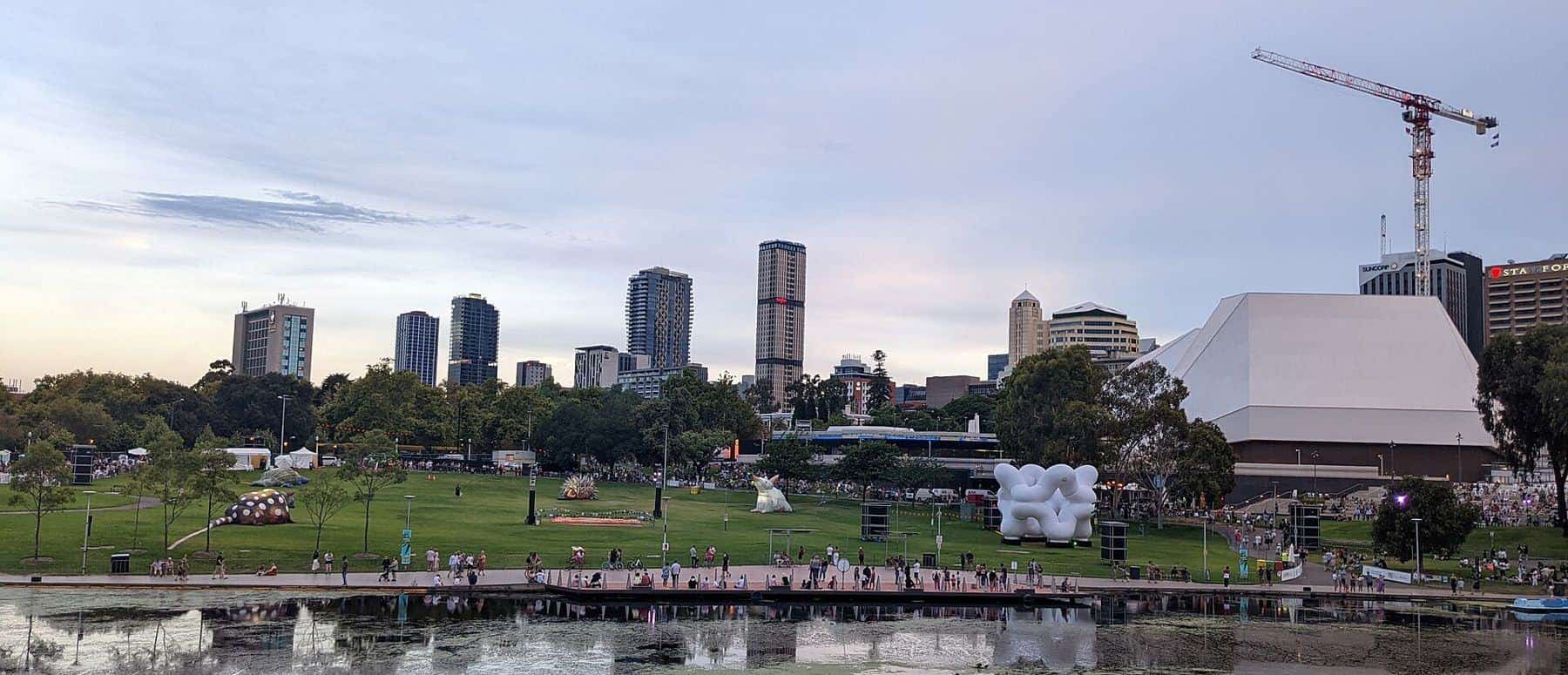
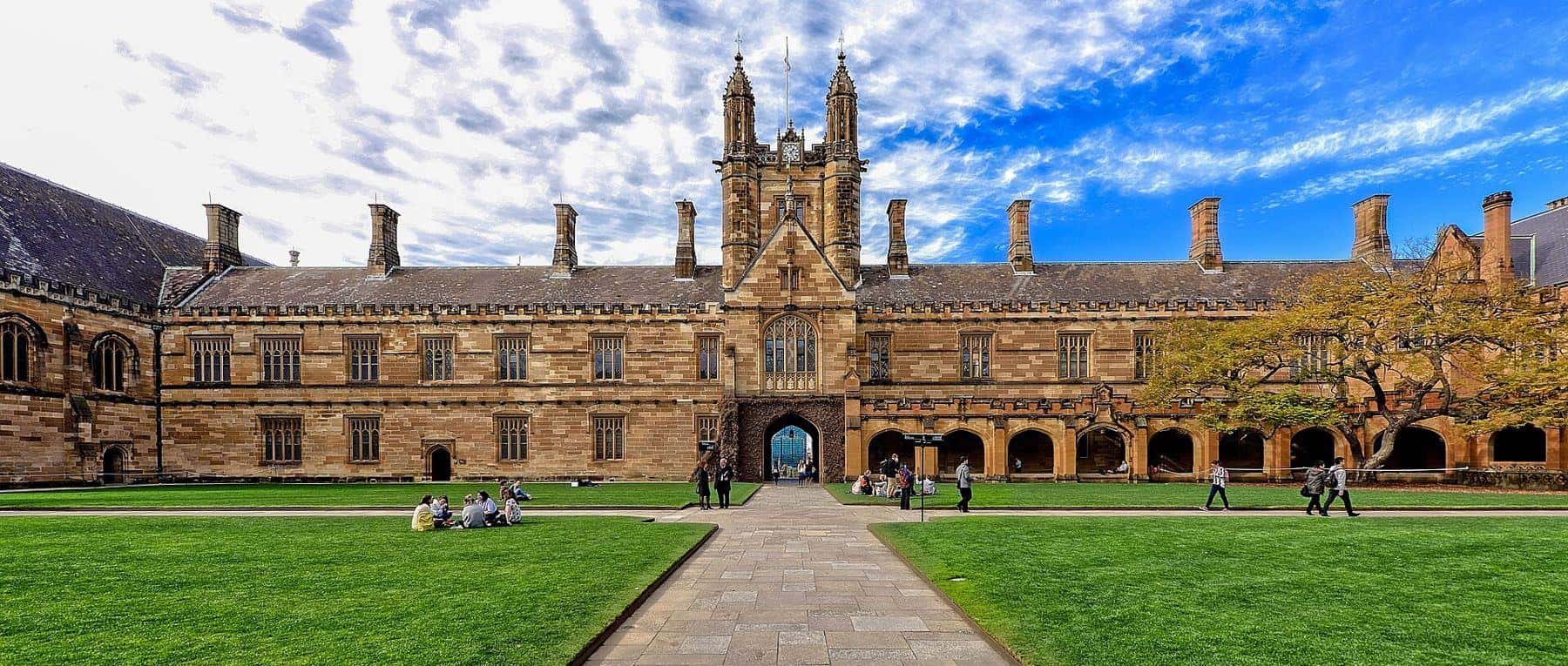
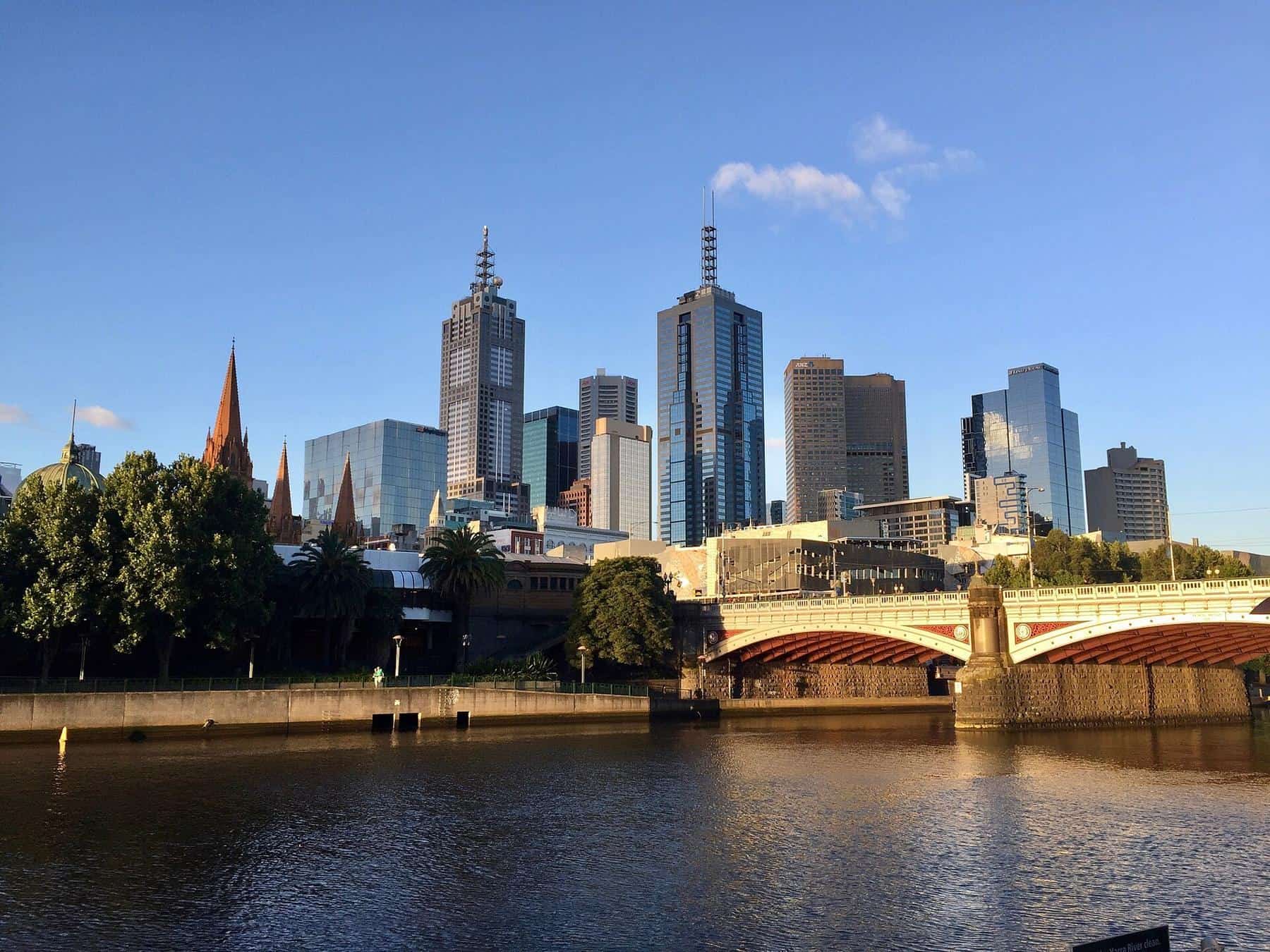
Most Australian business schools are in the capital cities. Sydney and Melbourne have the largest choice, Brisbane, Perth and Adelaide each have several well-established schools, and Canberra, Hobart and Darwin have smaller options. Online study means you are no longer limited to your own city, but on-campus networking still matters to many students. Start with our city guide.
International students
International students need a course registered on CRICOS, the government register of courses for overseas students, and a Student visa (subclass 500). Fees for international students are usually higher than for domestic students, and FEE-HELP is not available. Check visa conditions, including work limits, on the Department of Home Affairs website before you apply.
How to use this site
- New to the idea? Start with the MBA in Australia, which explains formats, structure and choosing a school.
- Short on time or living outside a capital city? Read our online MBA guide.
- Already a senior manager? Compare executive MBAs.
- Fresh out of university? Read MBA vs Master of Management.
- Worried about cost? Go to fees and funding.
A short history of this site
MBA Guide has listed Australian MBA programs since the early 2010s, with menus for every state, city and specialisation. Program lists like that go out of date fast, so we have rebuilt the site as a set of in-depth guides that explain how to compare programs and where to find the official, current details. If you are a business school and something here needs correcting, please contact us.